
In a complex and life-threatening case of acute necrotizing pancreatitis with multiorgan failure, a condition known for high mortality, doctors at Paras Health Panchkula successfully treated a 45-year-old male patient using a staged, minimally invasive approach, avoiding high-risk open surgery. The patient was admitted with severe abdominal pain and rapidly deteriorating health, requiring intensive care support.
Over the course of more than two months, the gastroenterology and critical care teams followed a step-up treatment strategy that focused on stabilizing the patient first and introducing interventions in a phased manner. This approach enabled recovery in a condition that is typically associated with high complication rates and significant mortality risk.
Acute necrotizing pancreatitis is among the most severe forms of pancreatic disease, in which parts of the pancreas lose blood supply, die, and often become infected. As the condition worsens, it can trigger complications, including sepsis, a body-wide infection, along with shock, kidney failure, and respiratory distress. Traditionally, treatment required open surgical removal of the dead tissue, known as necrosectomy, a procedure that carries considerable risk, especially in patients already suffering from multiorgan failure. Current treatment approaches increasingly emphasise delaying surgery and using minimally invasive techniques to improve outcomes.
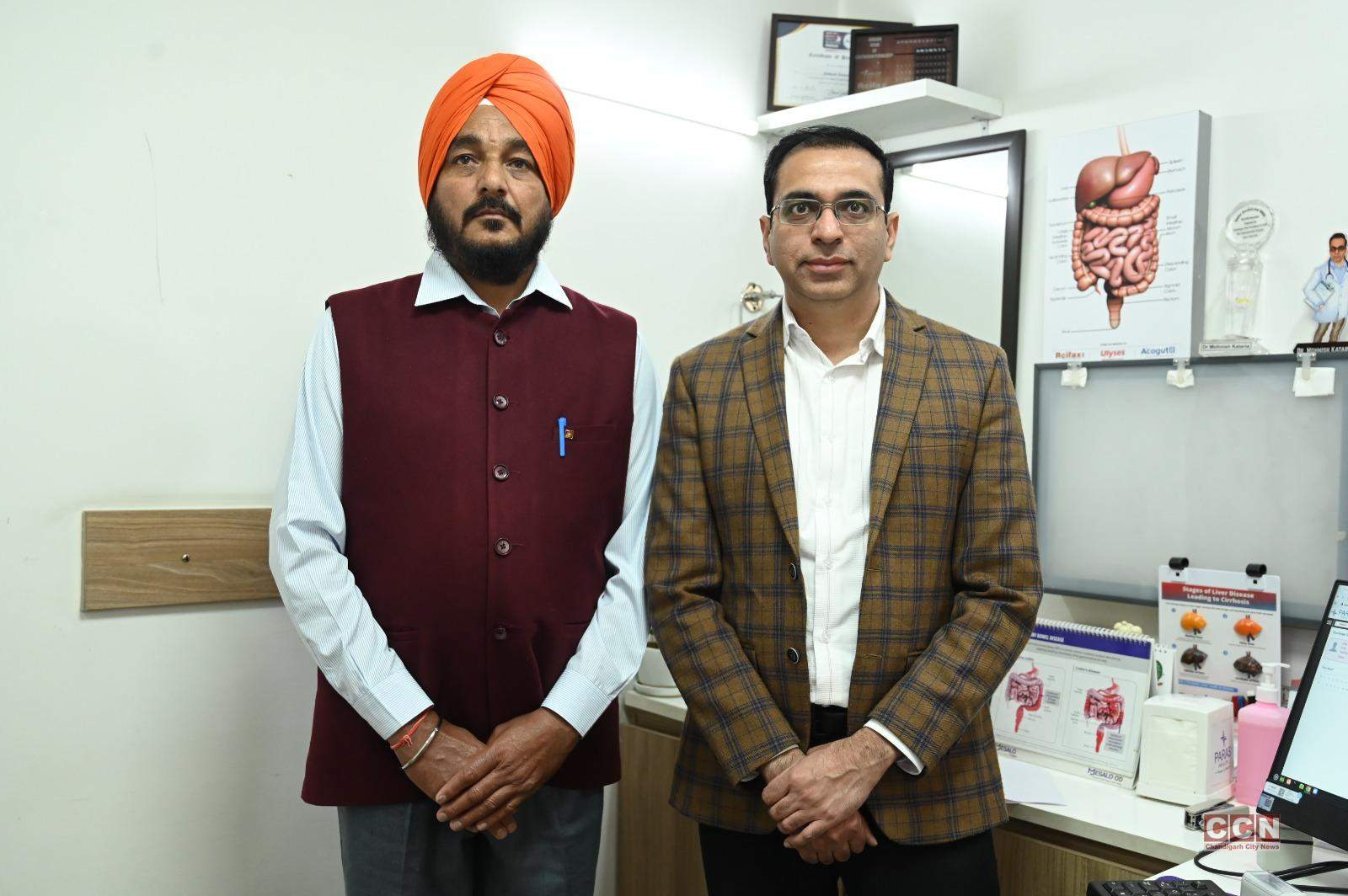
Commenting on the case, Dr. Mohnish Kataria, Senior Consultant – Gastroenterology, Paras Health Panchkula, said, “Severe necrotizing pancreatitis with multiorgan failure is among the most challenging conditions to treat. Earlier, open surgery was often the only option, but it carried a very high risk of mortality. Today, we follow a step-up approach where we initially stabilize the patient and delay invasive procedures. In this case, we used a combination of percutaneous drainage, direct endoscopic necrosectomy, and EUS-guided interventions to remove the infected dead tissue in a controlled manner, completely avoiding open surgery.”